


While skin treatments usually leave the skin feeling stronger and healthier, things don’t always go to plan. If you’ve recently had a particularly aggressive treatment that has left your skin feeling irritated, inflamed, and sensitive, read on as Celestolite explains what you need to do to repair the appearance of damaged skin and restore the look of health to your complexion.
Stop Using Potent Actives and Stimulating Products for a While
The first thing that you need to do if you want your damaged skin to feel healthy again is to cut any powerful actives out of your skincare routine. When your skin is damaged, it needs time to heal. Further stimulation, which is what active ingredients do, will only impede this. Don’t worry, you won’t have to stop using them forever. You just need to take a break for a while so that your skin has the chance to recover.
This not only applies to topical actives, like retinol, but also to other products that stimulate the skin, like exfoliants. You’re likely already aware of how harmful over-exfoliating can be, yet this is exactly what will happen if you exfoliate damaged skin.
Give your skin the downtime that it desperately needs, and you’ll be able to get back to your usual skincare routine sooner rather than later.
Be Gentle When Cleansing Damaged Skin
Cleansing is an essential part of skincare. It should never be skipped, even if you’re dealing with damaged skin.
With that said, how you cleanse should depend on the state of your skin. When your skin is damaged, you need to be very careful that you don’t exacerbate things. Unfortunately, with many cleansers featuring harsh detergents, this is exactly what happens. The skin barrier ends up a little more stripped away with each cleanse, which will make it almost impossible for your skin to heal.
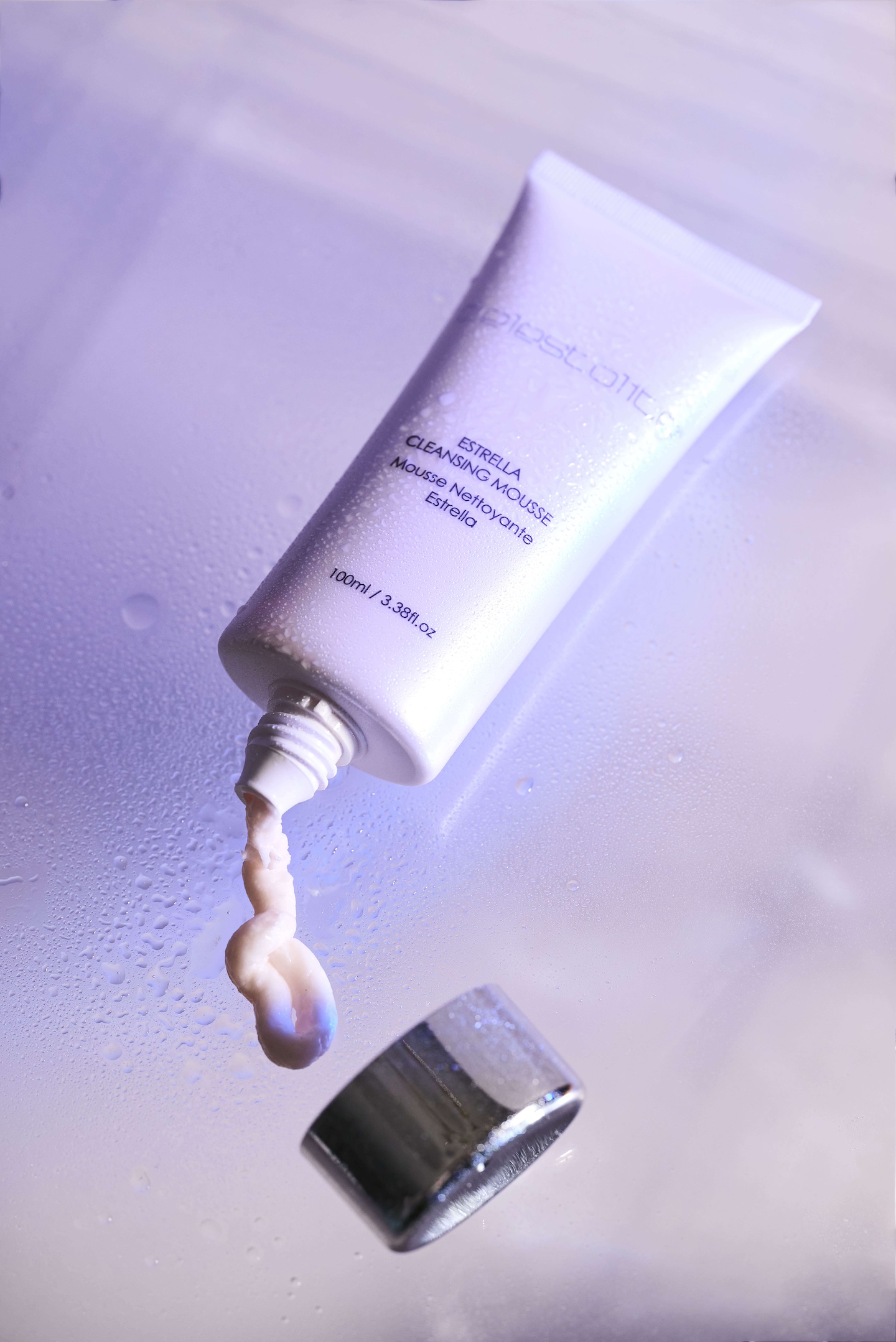
To cleanse without harming your skin, look for a gentle, sulfate-free cleanser, like the Celestolite Estrella Cleanser Mousse. Mousse cleansers are renowned for efficiently cleansing the skin, but in a gentle way, with moisturizing properties that keep the skin feeling soft and smooth. This formula takes things further with a blend of plant proteins and amino acids, ensuring that your skin barrier feels supported throughout.
Use a Rich Moisturizer
If your skin has been harmed by an aggressive treatment, this means that your skin barrier is damaged. Your skin barrier performs a few crucial roles. Not only does it keep your skin safe from environmental allergens and impurities, but the layer that it creates over your skin’s surface helps to keep moisture trapped in by slowing down transepidermal water loss (which is when moisture naturally evaporates out of the skin).
Once your skin barrier has been compromised, it’s no longer going to be able to perform these tasks to the extent that is needed. One way to give it a helping hand is by keeping your skin well moisturized with a rich cream. The richer the cream, the thicker the seal it will form over your skin’s surface. In many ways, this seal will replicate the functions of your skin barrier. This will help your barrier feel healthier much sooner.
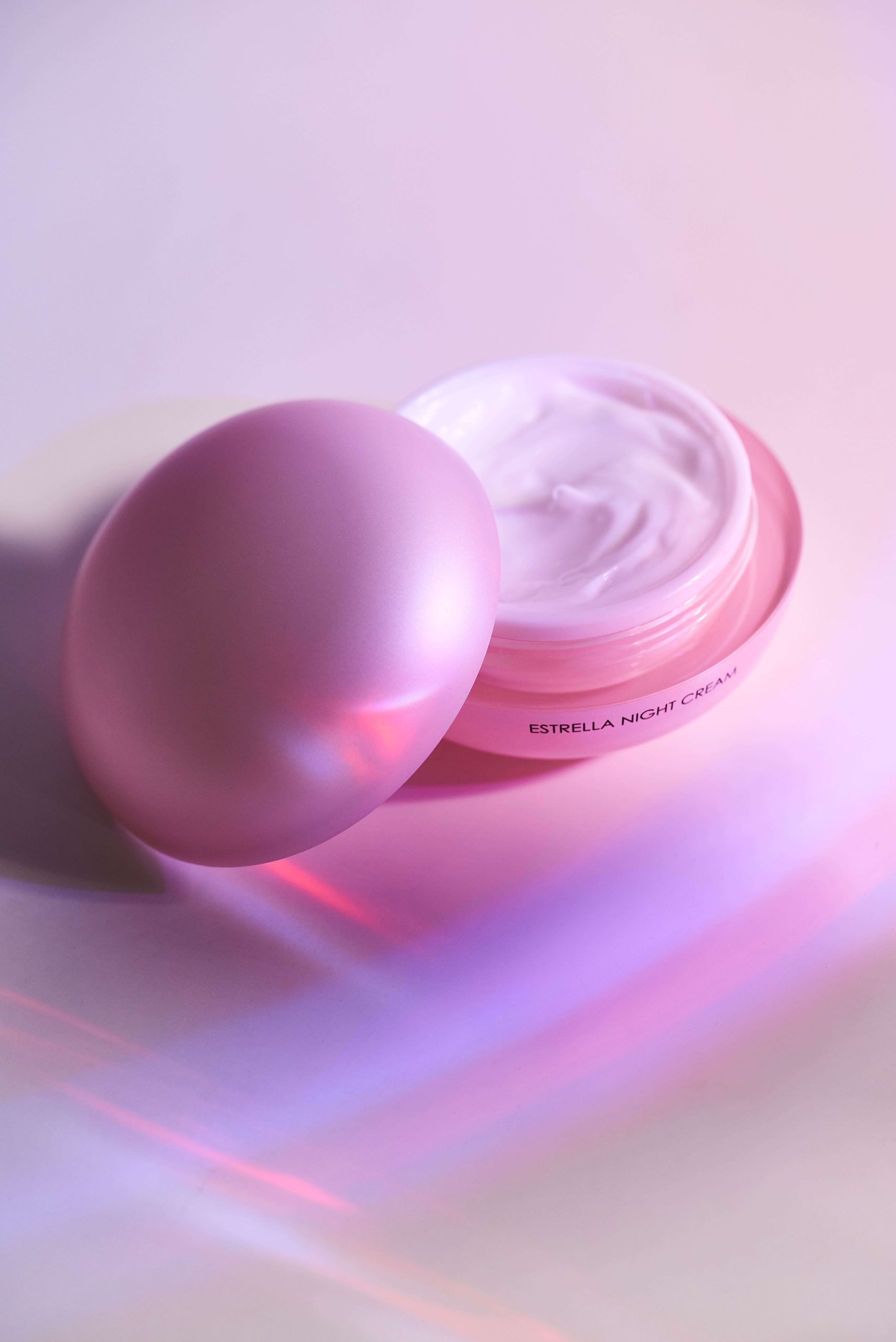
If you don’t yet have a face cream of that calibre, check out the Celestolite Estrella Night Cream. Shea butter comes together with sunflower seed oil, resulting in a blend that’s loaded with moisturizing fatty acids. It’s perfect for helping the skin barrier feel stronger and more intact again.
Prioritize Ingredients That Care for the Skin Barrier

Shea butter and sunflower seed oil are great ingredients for the skin barrier, but there are plenty of other barrier-loving ingredients out there too. Give your damaged skin access to these, and you’ll help to speed up the time it takes for your skin to feel healthy once again.
Peptides are always a good place to start. These ingredients consist of chains of amino acids. When used regularly, they help to repair the look of damaged skin while keeping the skin barrier feeling supported. You’ll find various peptides in several Celestolite skincare products, including the Estrella Hydrating Eye Cream.
Aloe vera is another ingredient that damaged skin loves. It’s famous for how it soothes the complexion and calms the feeling of inflammation. This makes it great for reducing the appearance of redness and sensitivities. It’s hydrating too, which is something that damaged skin always benefits from. Add aloe vera to your daily skincare routine with the Celestolite Estrella Facial Toner. It will leave your skin feeling balanced and happy after cleansing.
Simplify Your Skincare Routine
While there are plenty of ingredients and products out there that are capable of helping to heal the look of skin damage, you’ll need to be selective as to which ones you actually add to your skincare routine. The more ingredients you use, the more overwhelmed your skin will be. Instead of actually helping your skin, they’ll end up slowing down the healing process.
While your skin is recovering, try to keep your skincare routine as minimal as possible. Cleansing is something that’s essential, as is moisturizing and sun protection. However, you shouldn’t need too much more than this, especially in the early stages of damage. As your skin recovers, you can start to introduce more products back into your skincare routine.
Turn to LED Light Therapy
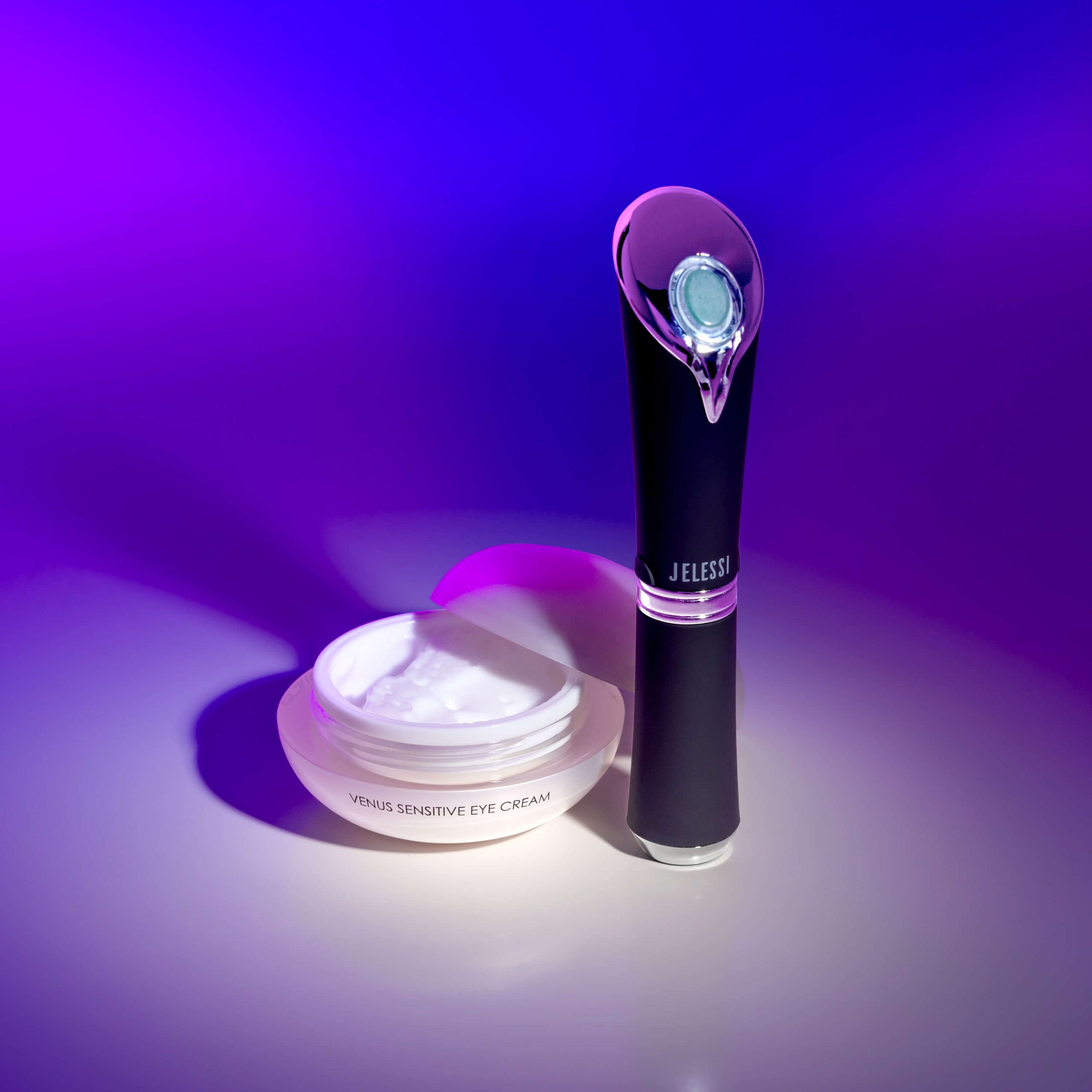
One way to enhance the care that you give to your troubled skin without adding an additional topical product to your skincare routine is with LED light therapy. This technology has been a game-changer for people with various visible skin concerns, thanks to its multitasking nature.
How LED light therapy can help your skin depends on the wavelength (or color) of LED light you use. When it comes to soothing the look of redness and inflammation, blue LED light is what you need. It also helps the skin to feel stronger and healthier, faster. With that said, red LED light is also good for calming the feeling of inflammation, making it useful to have a device that offers both.
Fortunately, there are some great ones out there, such as the Photonix-2 Eye Wand and the Photonix-3 Neck Solution. With multiple modes, they enable you to really tailor the care that you give to your skin.
Give Slugging a Try
Slugging is a trend that became popular a few years ago. However, it’s a technique that dermatologists have long since been recommending to those with damaged skin.
Slugging involves carrying out your evening skincare routine as normal. Then, once you’re done, apply a thin layer of petroleum jelly, or a similar substance, to your skin. The way in which it makes the skin look super shiny is reminiscent of the slime trail left behind by a slug, hence the name!
While it may not sound very appealing, slugging takes the pressure off of your skin barrier for the night. This allows the skin barrier to really focus on repair. Come morning, you wash the petroleum jelly off your skin and then carry out your morning skincare routine.
If you want to give slugging a try, use an old (but clean!) pillowcase that night, as petroleum jelly can stain.
Keep Your Skin Safe From the Sun

It goes without saying that if your skin has been damaged by an aggressive treatment, the last thing that you want to do is damage it even further. However, this is exactly what’s happening each time unprotected skin is exposed to the sun. UV rays cause so much damage to the skin barrier and will quickly exacerbate any existing damage.
This makes it essential to keep your skin protected from the sun at all times. However, with your damaged skin likely feeling a bit sensitive, you’ll need to be careful about the sunscreen that you choose. After all, you don’t want it to end up irritating your skin.
Ideally, look for a formula that incorporates ingredients that hydrate and soothe the complexion. The Celestolite Nova Bright Skin Cream (SPF 30), for example, boasts aloe vera, green tea extract, and vitamins. They’ll keep your skin feeling calm and replenished while the UV filters do their work.
Support Your Skin While You Sleep

During the day, your skin cells focus on defense against environmental damage. At night, however, they turn their attention to repair. If you’re dealing with damaged skin, then these repair processes are exactly what you need to encourage.
How? Start by making sure that you’re getting enough quality sleep each night. Repair peaks during the REM stage of sleep, meaning that quality really does count. If this is something that you struggle with, adjust your evening routine and bedtime habits to promote relaxation and sleep as much as possible.
A good nighttime skincare routine can also help to keep your skin feeling supported. Although you shouldn’t overdo it with the number of products you use each day, you could consider adding in a weekly extra in the form of a hydrating overnight mask, like the Celestolite Jade Spectra Mask.
Take it Slowly When Reintroducing Actives
Once your skin begins to heal, don’t suddenly start adding multiple products back into your skincare routine all at once. This will only send your skin cells into overdrive and will likely reverse all of the progress that you’ve made.
Instead, do things gradually. Once your skin looks healthy again, add one product back into your skincare routine and then wait for two or three weeks. If your complexion is continuing to thrive, move on to the next.
Summary
Damaged skin can take a while to come back from, so you may need to practice some patience. However, give your skin the time and care that it needs, and you’ll soon be rocking a healthy complexion once again.
Click here to browse more bestselling skincare products from Celestolite.
0 comments on “How to Repair Damaged Skin After Aggressive Treatments”